The safari

What the trip is, and how the days actually run.

You pick the animals. We do not hand you a package. The on-the-ground cost is the daily rate times the days, plus trophy fees for the animals selected. The daily rate covers the camp and the professional hunter whether or not you fire. The trophy fee is for an animal taken, or wounded and lost. You do not pay a trophy fee for an animal you decline. Safari photos are on their own page.

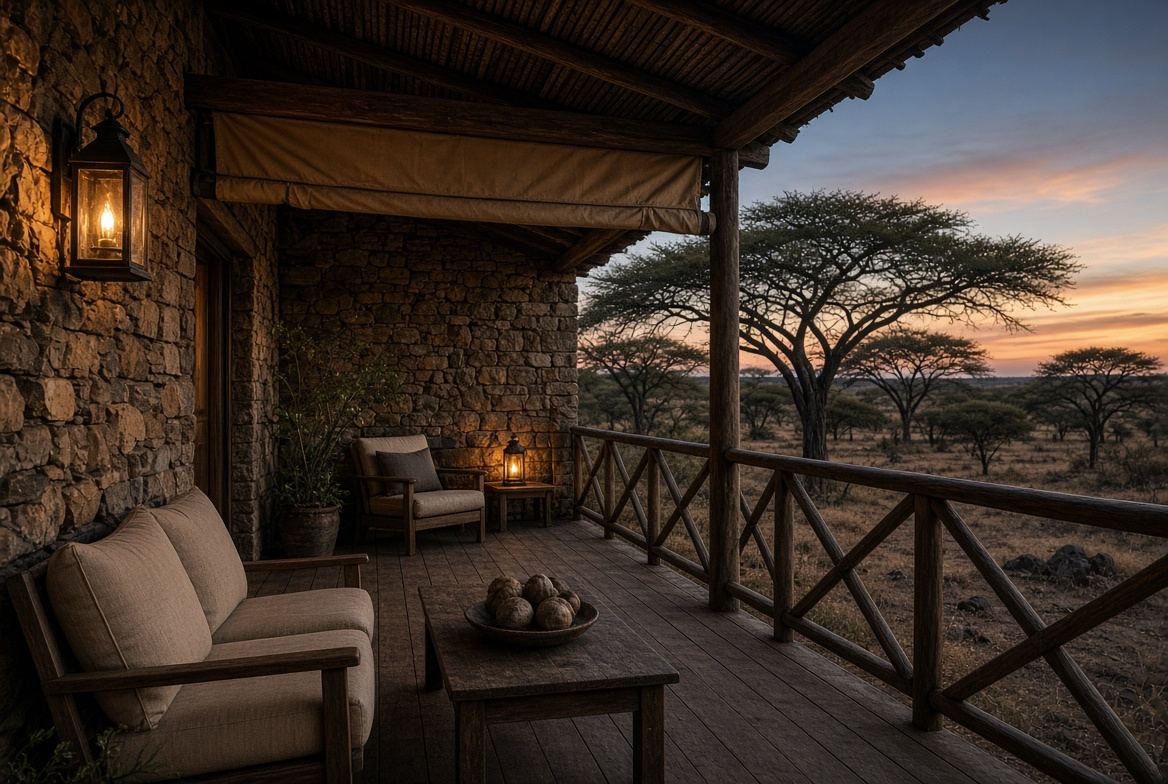
Lodge veranda at dusk

Limpopo, the same night you land.

The usual arrival is O.R. Tambo at 19:30. Customs, then the police station to claim the firearms, then a two-hour drive north into Limpopo. Dinner at the lodge, then bed. Arrival night is not a hunting night.

The next morning is the range, first thing, then hunting. That is the schedule we plan around. Bring a rifle you already shoot. Ammunition can be bought in camp if you would rather not fly with a heavy load.

From deposit to the range

The sequence.

01

You write the list

Name the animals and the days. Impala and warthog, or kudu, gemsbok, wildebeest, and a zebra — the combinations are open. We quote daily rate times days, plus the trophy fees for that list. Nothing is bundled.

02

$500 locks the price

The deposit is $500. That holds the dates and locks the current pricing. A few weeks before the trip we need the trophies confirmed so any required permits can be pulled. Change the list after that and a permit animal may not be available.

03

Saturday or Sunday, a month out

We meet in person about a month before departure. Paperwork gets finished, you can shoot if you need to, we eat lunch, questions get answered, and you meet the others going. The meeting and the paperwork are included. No extra charge.

04

Rifle paperwork

U.S. Customs Form 4457 proves you owned the rifle on the way out. The airline wants a locked hard case and ammunition packed to its rule. South Africa clears the temporary import at the police station after customs. We walk that packet at the pre-trip meeting. We do not hand-carry anyone else’s rifle.

05

19:30 at O.R. Tambo

Land, customs, police station for the firearms, two hours north to the Limpopo lodge. Dinner, then bed. In the morning, the range first thing, then the hunt starts.

06

Hunting days, then the cape

The professional hunter and tracker run the plan: walk-and-stalk, a longer approach on open ground, or a blind when the wind calls for it. You are the shooter. Skinners cape and salt the same day. Dip, pack, and export happen after you fly home. U.S. taxidermy is a separate invoice, months later.

A normal day

Light, stalk, fire, sleep.

  • First morning: range, then hunting. After that, out at first light.
  • Midday rest. African noon is a poor time to push animals.
  • Afternoon hunt until the light goes.
  • Dinner at the lodge, then an early night.
  • One hunter per professional hunter on a 1×1. Two hunters can share a PH on a 2×1 at a lower day rate.

What people forget

Tips, observers, and the off days.

  • The pre-trip meeting is included. Do not budget a fee for it.
  • Final trophy list is due a few weeks out, for permits.
  • Gratuities are expected: professional hunter, tracker, skinner, and camp staff. Budget about $100 to $150 a day, split across the team.
  • Wounded-and-lost animals are paid in full. That is why the first shot matters.